
- The gelcoat has lost gloss or clarity but is not deeply chalky or severely weathered.
- A test section shows useful improvement without sanding.
Gloss correction
Boat Buffing & Gelcoat Polishing in Tampa Bay
Buffing and polishing fit marine gelcoat that has lost clarity or gloss but does not automatically require a full sanding-based restoration. Mighty Munch inspects and tests the finish, selects the least aggressive effective correction, refines the surface, and recommends practical protection for the result.
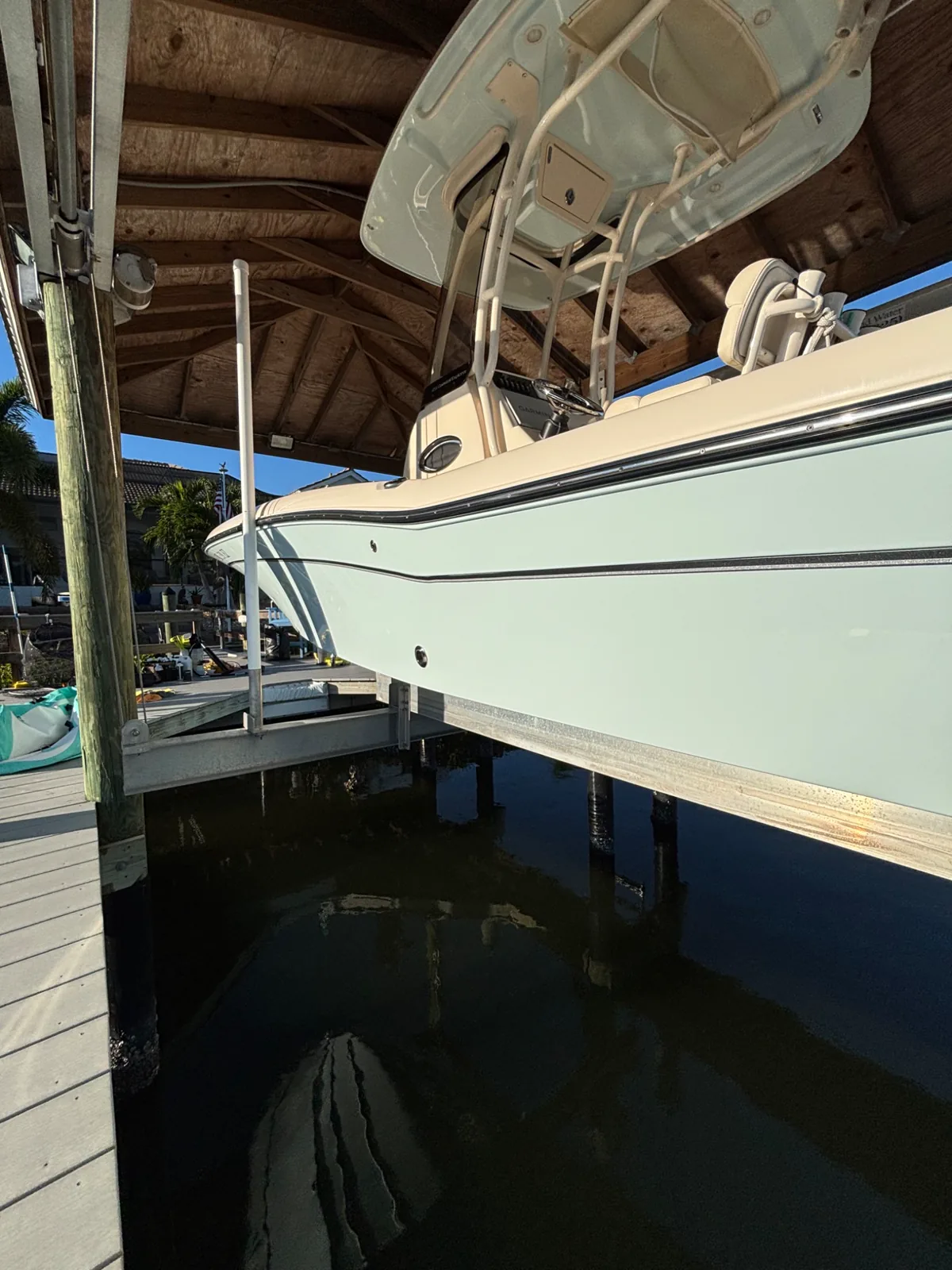
When washing no longer restores the gloss
When does a boat need buffing and polishing?
Washing removes contamination, but it does not correct surface haze, light oxidation, wash marks, or diminished reflection. A test section helps determine whether one-step polishing can restore the finish or whether the gelcoat needs a deeper oxidation-removal plan.
Talk through the projectChoose the right starting point
Is polishing enough for this finish?
This checkpoint helps narrow the first conversation. The final recommendation still follows the actual surface, access, condition, and result you want.
Certified marine care
Starke Yacht Care Certified Installer
Professional marine correction, protection, coating, and maintenance processes.
How gelcoat polishing is selected
Inspect. Test. Polish. Protect.
The process uses the least aggressive correction that can reasonably deliver the approved clarity and reflection.
Inspect and decontaminate
The boat is evaluated for water spots, staining, oxidation, prior repairs, surface damage, and material limitations. Cleaning and decontamination come before machine correction so the finish can be assessed accurately.
Test the least aggressive correction
A controlled test section establishes whether polishing or compound correction can recover useful clarity and gloss. The process does not jump to wet sanding when the finish responds to a lighter method.
Refine and protect the polished gelcoat
After the approved correction, the finish is refined and prepared for polymer sealant or an appropriate marine ceramic coating. Protection and aftercare are selected around use, storage, washing, exposure, and maintenance.
Get a project-specific quote
Ready to choose the right marine service?
Open the full quote form and share the boat, length, location, condition, access, and result you want.
What changes for the owner
A better-looking finish with a more manageable care routine.
The value is visible in the finish and practical in the way the surface behaves during regular upkeep.
Recovered clarity
Reduces correctable haze and light oxidation so the gelcoat reflects light more cleanly.
Condition-led correction
A test section determines whether the finish needs polish, compound, or a separate restoration path.
A protected next step
Corrected gelcoat can move into sealant, ceramic protection, or an appropriate maintenance plan.
Selected Mighty Munch work
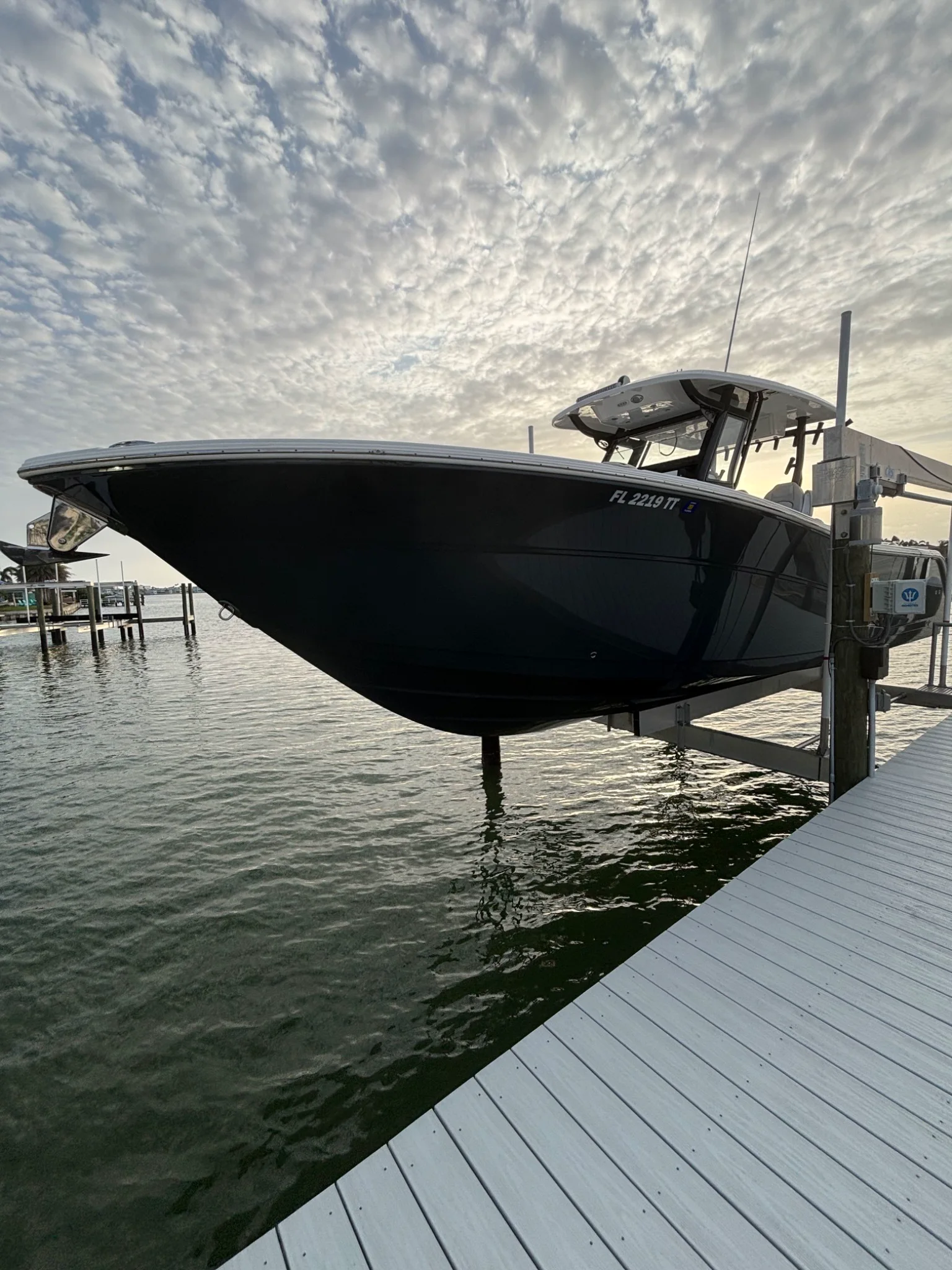
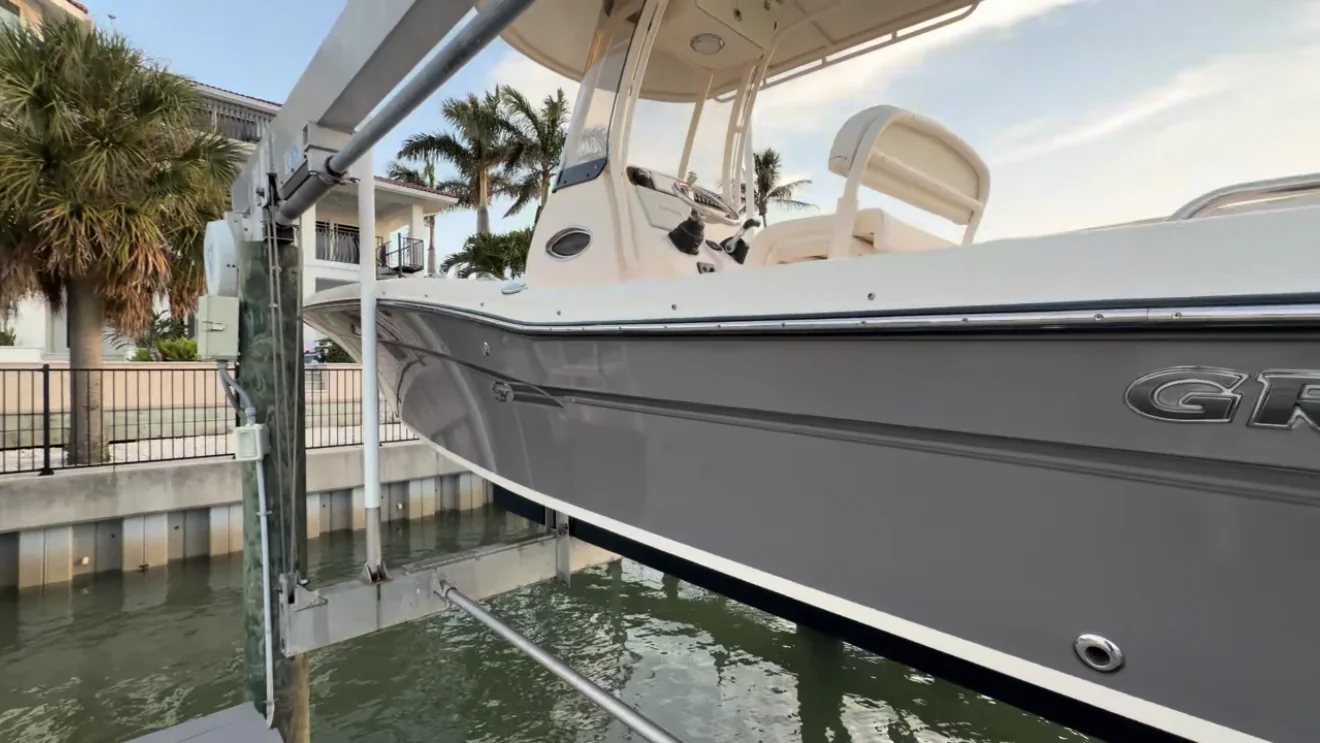
The finish, shown in context.
Real imagery from boat buffing & gelcoat polishing in tampa bay work—presented as part of the story, not dropped into a generic gallery.
Service questions
Understand the condition, process, limits, and next step.
The final scope follows the actual vessel, accessible surfaces, finish response, use, storage, and protection goals.
Request a condition-based quoteWhat is the difference between boat buffing and polishing?
The terms are often used together, but the process can include compound for stronger defect removal and polish for finer refinement and gloss. The finish condition determines the combination.
Can polishing fix chalky gelcoat?
Light oxidation may respond, but deeply chalky gelcoat often needs a broader restoration plan. A test section prevents under-scoping or unnecessary sanding.
Will buffing remove every scratch?
No. Defect depth, material condition, prior repair history, and safe correction limits control what can be improved.
What should protect the boat after polishing?
The corrected surface can receive polymer sealant or compatible marine ceramic protection, followed by appropriate washing and maintenance.
Start with the right scope
Ready to discuss the vessel?
Tell us about the vessel, its condition, where it is kept, and the result you want.