
- Severe oxidation or deeper correctable defects do not respond sufficiently to compound and polish.
- The substrate, condition, prior repairs, and test section support controlled material leveling.
Advanced gelcoat correction
Boat Wet Sanding & Gelcoat Restoration in Tampa Bay
Wet sanding is an advanced correction step for suitable marine gelcoat that does not respond sufficiently to polishing or compound alone. It is not an automatic package. Mighty Munch evaluates the finish, performs a test section, uses a controlled progressive process where justified, then compounds, polishes, and protects the restored surface.
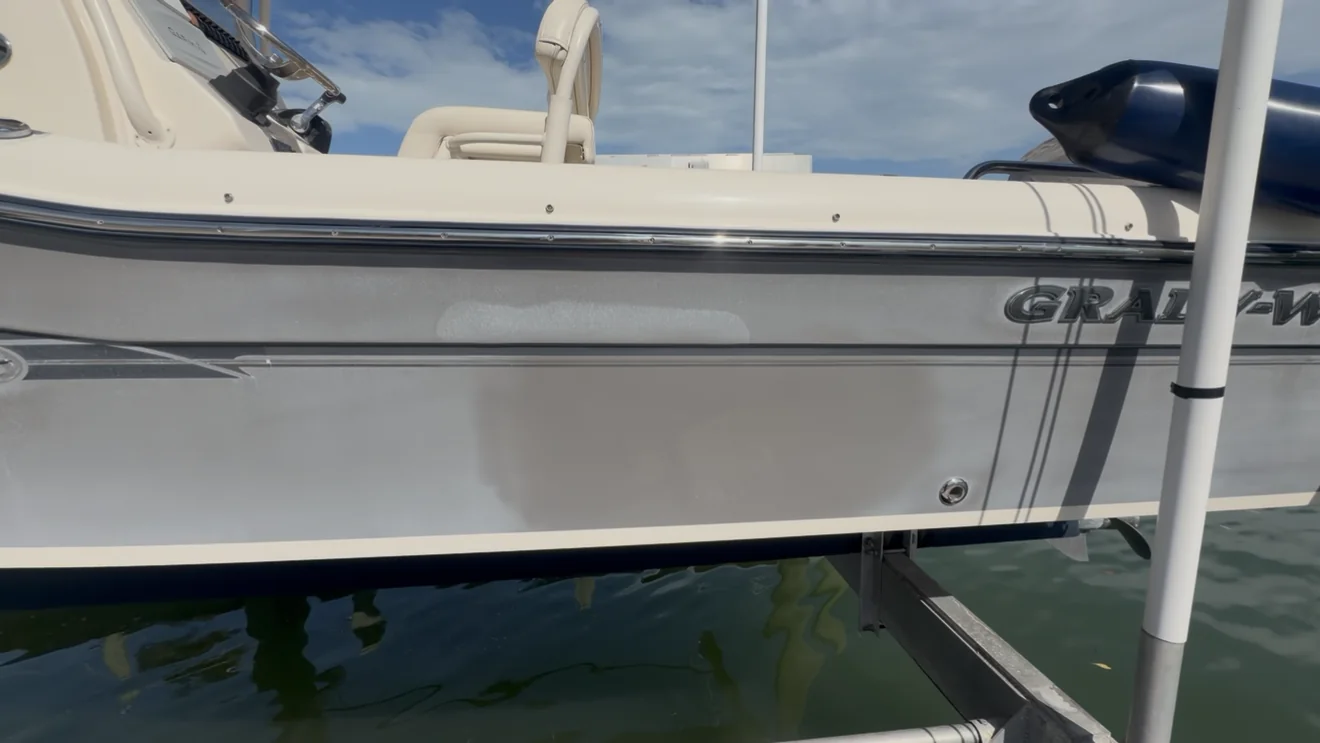
When compound alone is not enough
When is wet sanding the right correction path?
Severe oxidation, deeper surface defects, texture, or previous sanding marks may require controlled material leveling before gloss can be rebuilt. Because wet sanding removes material, the decision follows condition, substrate, prior repair history, access, and a test section—not appearance alone.
Talk through the projectChoose the right starting point
Does the gelcoat justify deeper correction?
This checkpoint helps narrow the first conversation. The final recommendation still follows the actual surface, access, condition, and result you want.
Certified marine care
Starke Yacht Care Certified Installer
Professional marine correction, protection, coating, and maintenance processes.
How deeper gelcoat correction stays controlled
Confirm the surface, level only what is needed, and rebuild the finish.
Each abrasive stage is selected for the defect and followed by compounding, polishing, inspection, and protection.
Confirm the surface is suitable
The finish is cleaned and inspected for gelcoat condition, defect depth, prior repairs, thin areas, damage, and contamination. A test section establishes whether deeper correction is justified and what improvement is realistic.
Sand progressively only where needed
When approved, the surface is leveled through a controlled progression selected for the condition. The goal is to refine correctable weathering or defects without removing more material than the project requires.
Compound, polish, and protect
Sanding haze is compounded and polished in stages until the finish reaches the approved clarity. Polymer sealant or marine ceramic coating is then considered so the corrected surface is not left exposed.
Get a project-specific quote
Ready to choose the right marine service?
Open the full quote form and share the boat, length, location, condition, access, and result you want.
What changes for the owner
A better-looking finish with a more manageable care routine.
The value is visible in the finish and practical in the way the surface behaves during regular upkeep.
A path for deeper defects
Suitable gelcoat can be leveled when polishing alone cannot address the approved restoration target.
Controlled progression
Each sanding and polishing stage earns the next, with realistic limits established before full correction.
Protection after restoration
The completed finish moves into sealant, ceramic coating, and maintenance planning appropriate to the vessel.
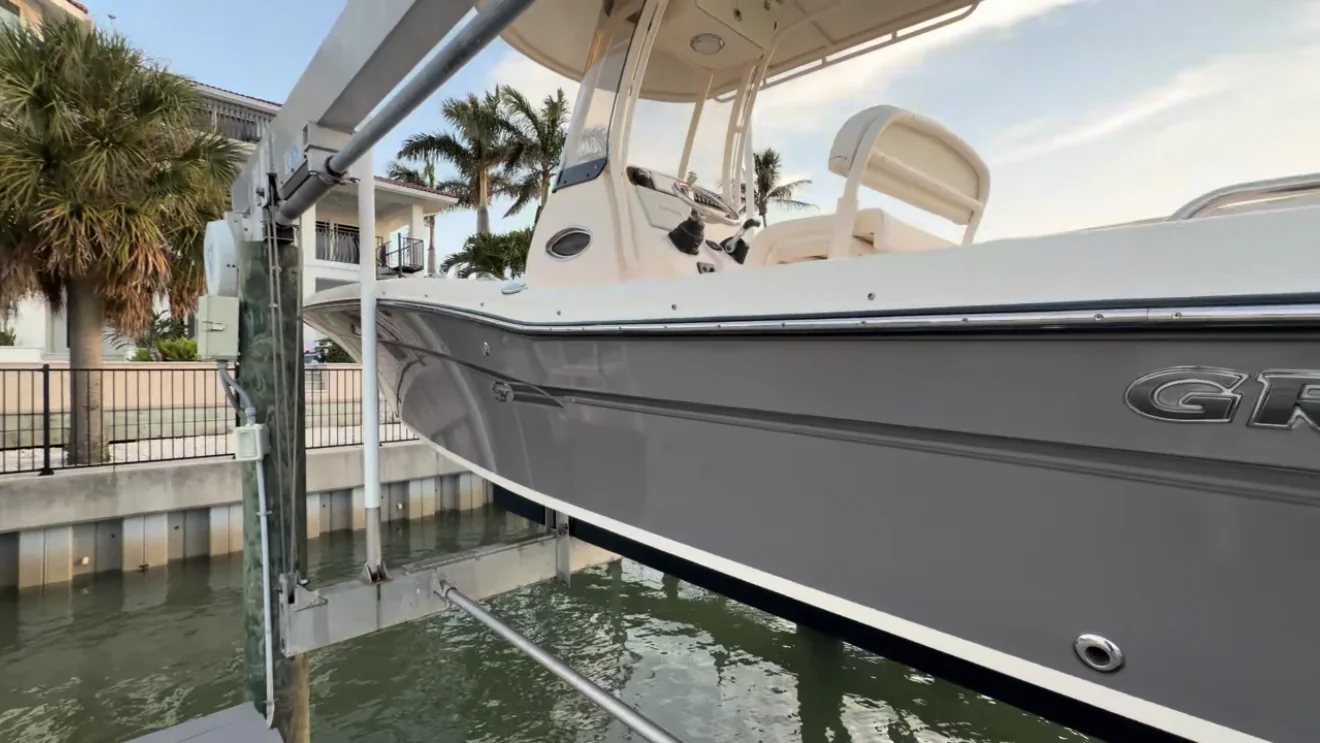
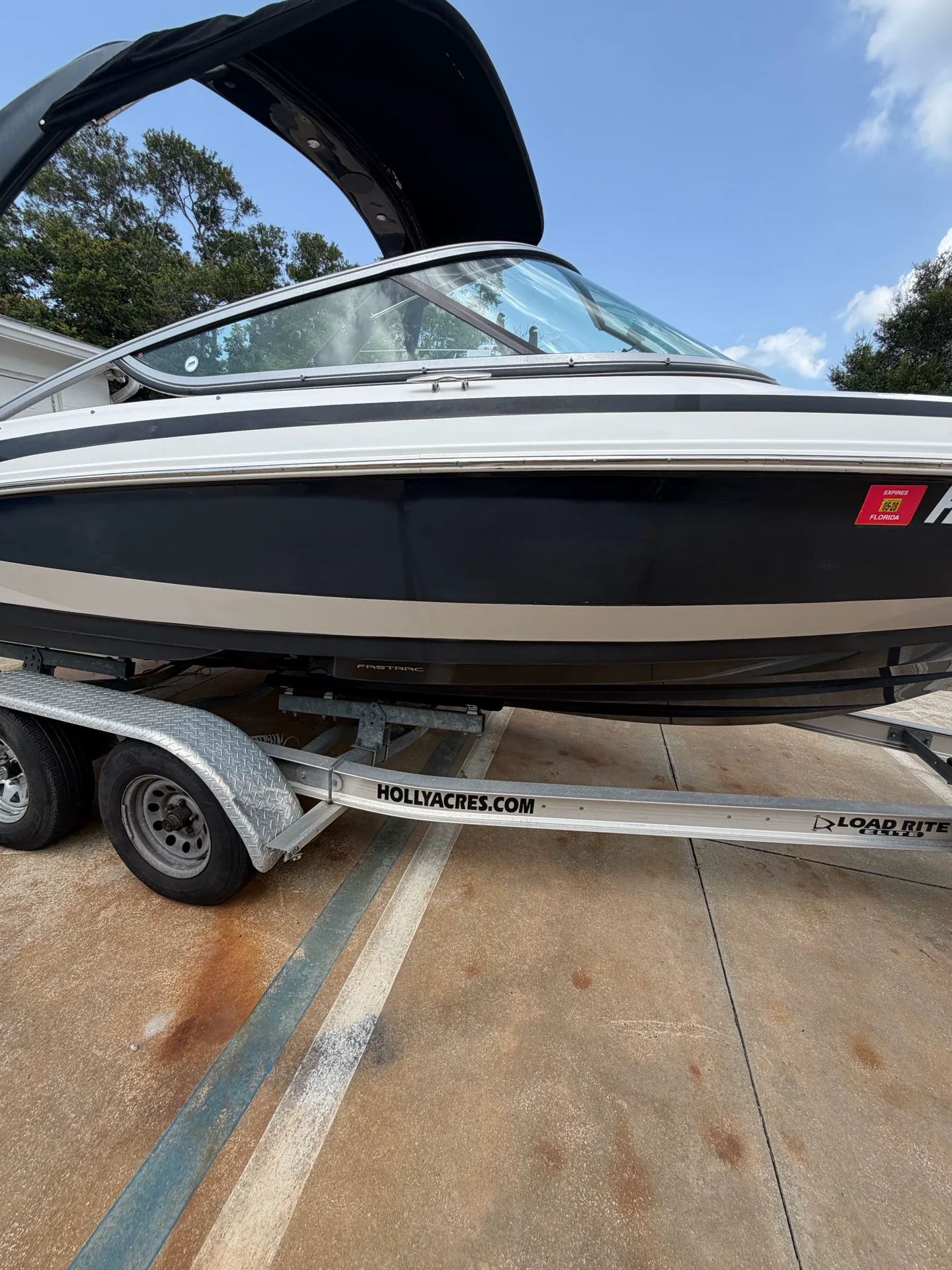
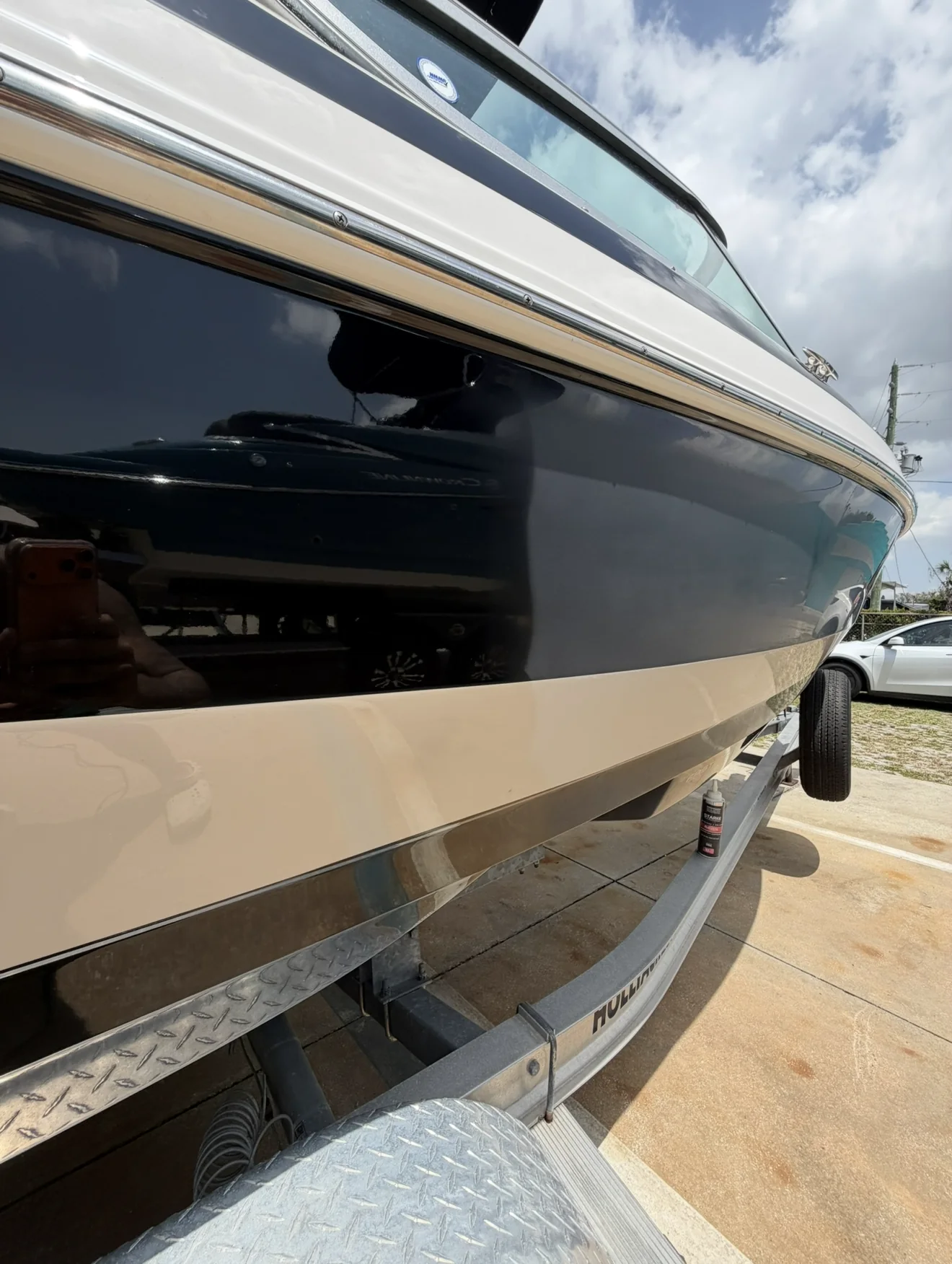
Selected Mighty Munch work
The finish, shown in context.
Real imagery from boat wet sanding & gelcoat restoration in tampa bay work—presented as part of the story, not dropped into a generic gallery.
Service questions
Understand the condition, process, limits, and next step.
The final scope follows the actual vessel, accessible surfaces, finish response, use, storage, and protection goals.
Request a condition-based quoteWhen does a boat need wet sanding?
Wet sanding is considered when suitable gelcoat has severe oxidation, texture, sanding marks, or deeper correctable defects that do not respond adequately to polishing or compound.
Is wet sanding safe for every boat?
No. Substrate, gelcoat condition, defect depth, prior repairs, thin areas, access, and test results must support the process.
What happens after wet sanding?
The sanding haze is refined through compound and polish stages, inspected, and then protected with an approved sealant or ceramic system.
Can you quote wet sanding from one photo?
Photos help with initial context, but a responsible scope still depends on closer inspection and a test section before full correction.
Start with the right scope
Ready to discuss the vessel?
Tell us about the vessel, its condition, where it is kept, and the result you want.